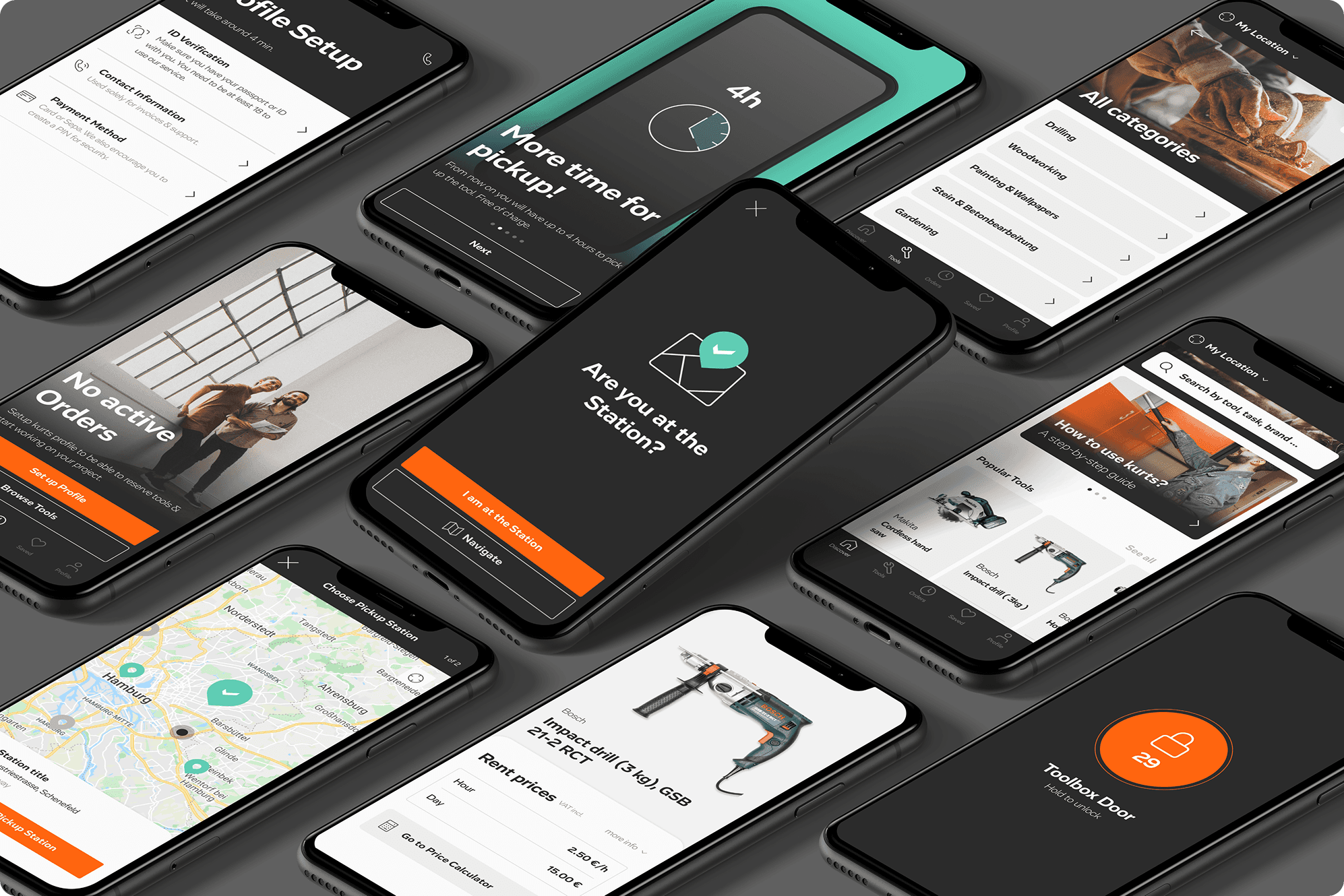
More than a facelift. Redesigning a Tool Rental App
Year
2021-2024
Industry
E-commerce, Construction, B2C
Client
Kurt König Group (Germany)
My role
Lead Product Designer (Full-time)
Context
A tool-sharing service was struggling to grow their user base due to an outdated mobile experience and, as I later found out, an overly complex pricing model that didn't match user behavior.
My Contribution
01
Strategic Pivot
Convinced stakeholders to move from a visual refresh to a full UX overhaul.
02
Pricing Logic Overhaul
Identified a mismatch in the pricing model using quantitative data and led the initiative to simplify it.
03
Design System
Built a flexible component library to speed up dev handoff and future iterations.
UX Consulting
Workshop Facilitation
Design System
Usability Testing
UX Writing
UI Design
Stakeholder Management
Prototyping
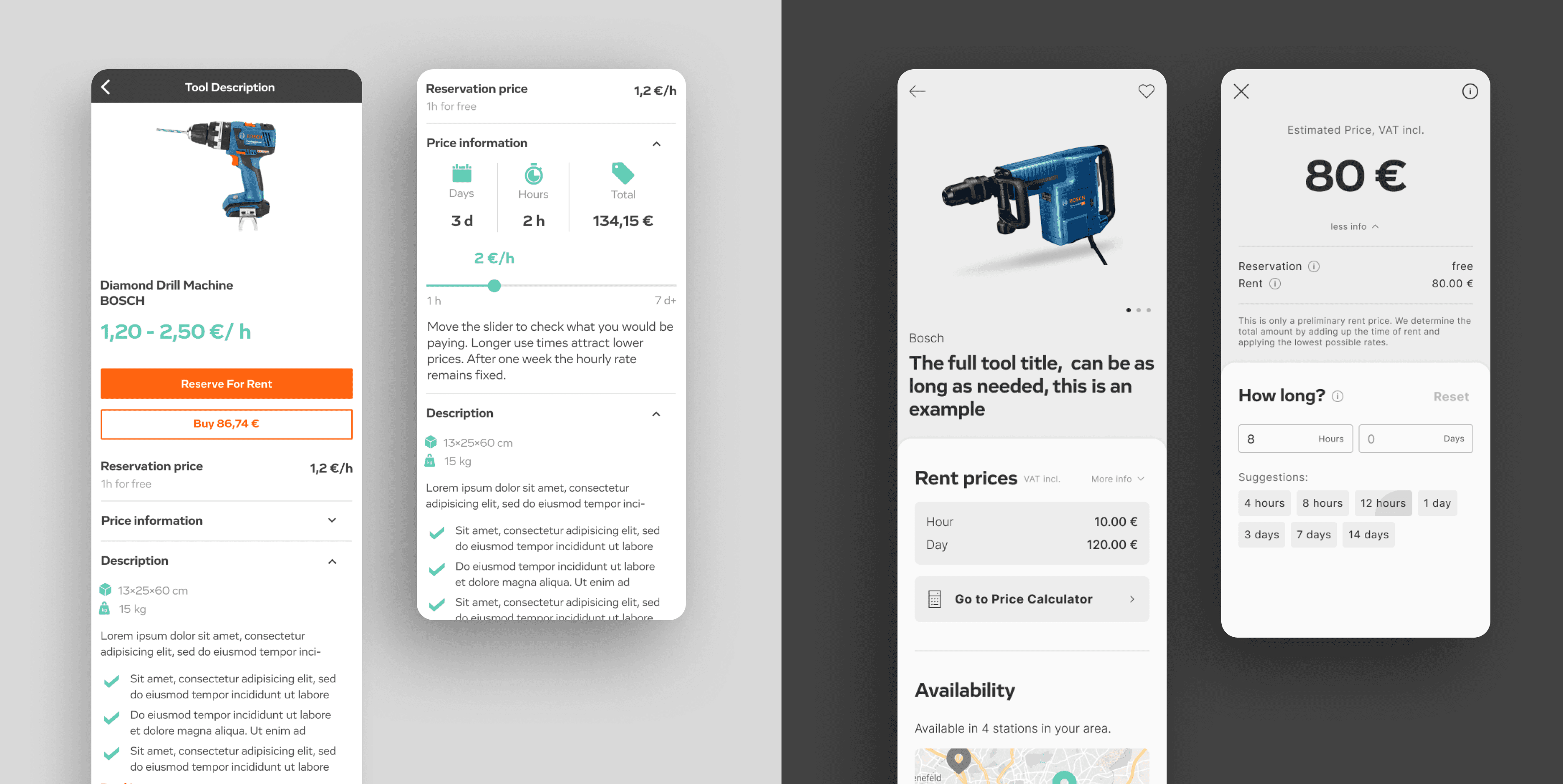
Key screens of the redesigned app
App on the day of release
Discovery & The Pivot
Moving Beyond a "Facelift"
The initial brief requested a simple visual refresh. However, my preliminary UX audit revealed that the app’s issues were structural, not just aesthetic. The registration flow was bloated, and the core booking path was confusing at best.
Aligning Stakeholders
I facilitated a Value Proposition Canvas (VPC) workshop to walk stakeholders through the friction points. By presenting the business brief alongside user realities, I successfully shifted the project scope from a "UI update" to a comprehensive UX overhaul.
Research & Strategy
Users couldn't calculate their costs
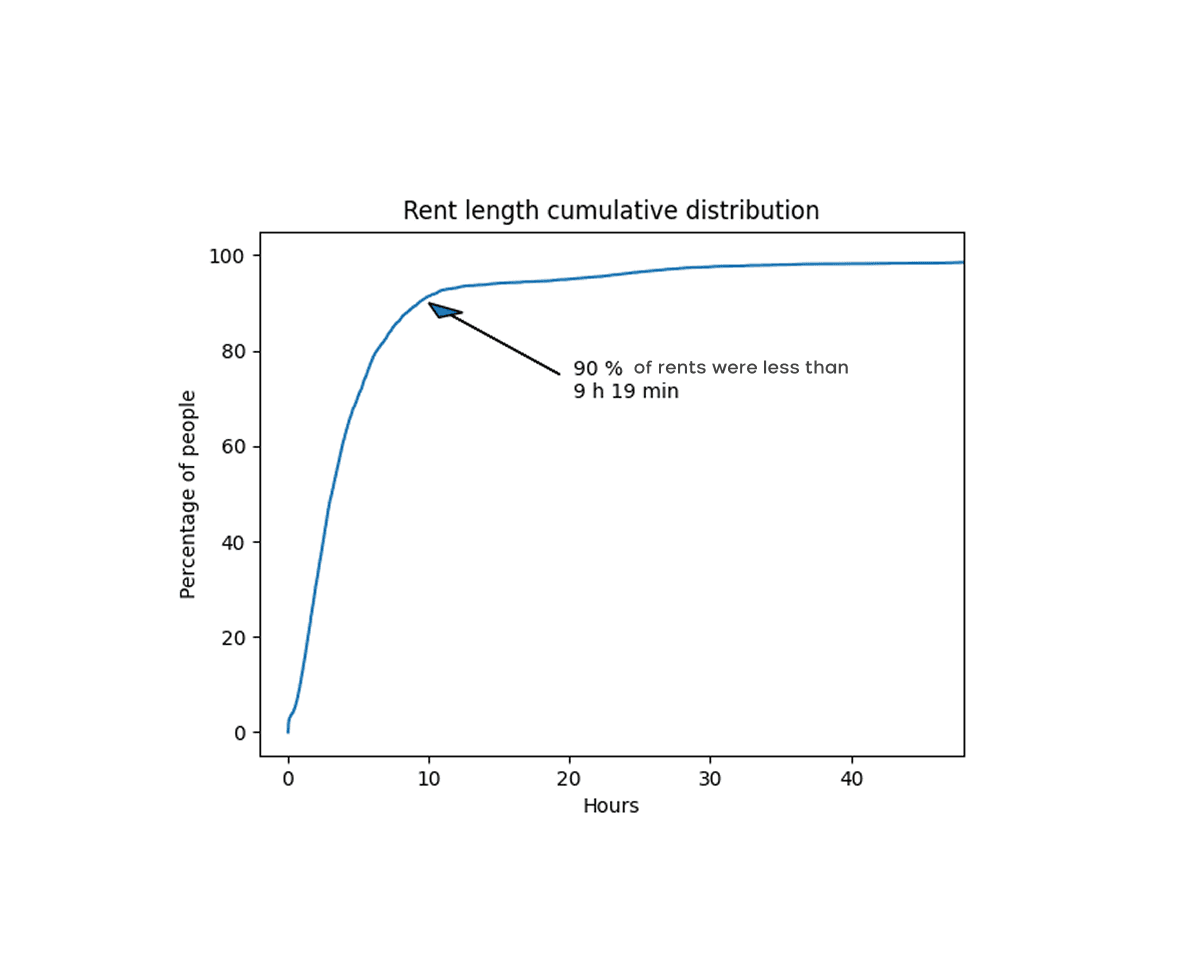
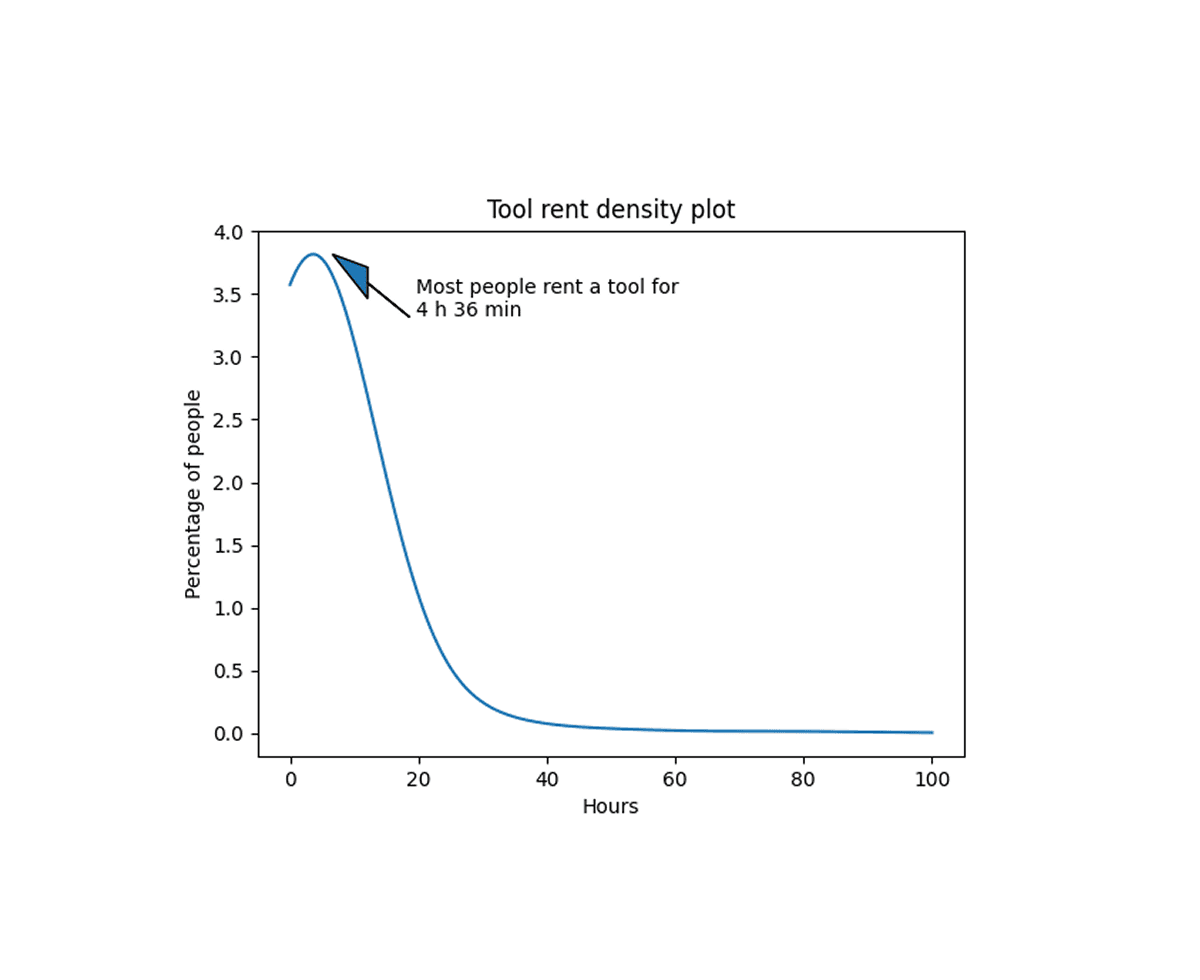
My heuristic audit and user feedback analysis flagged the "minute-by-minute" flexible pricing model as a major usability hurdle. Even with a calculator feature, the users couldn't confidently predict rent costs. I checked the historical rental data to validate this hypothesis and discovered a massive misalignment.
The Finding
90% of users rented tools for less than 10 hours. Most people rented a tool for around 4 hours.
The Action
I used this data to champion a simplified, tiered pricing model. This reduced cognitive load for the user while protecting business revenue.

Based on the UX audit and user behavioral data, I focused the redesign on 6 key pain points:
Testing & Validation
Live Usability Testing
To validate the updated UI and navigation structure, I created a high-fidelity prototype and a comprehensive testing manual. I focused specifically on the core journey (Locate → Reserve → Pickup) to see if previously identified friction points had been resolved.
Validating the New Pricing
Usability testing showed that while the flow worked, the pricing logic and copy were still misleading, even for users who thought they understood them. To fix this, I ran a round of remote "hallway testing" to see if people could accurately predict a rental’s total cost.
After several rounds of refining the microcopy and visual hierarchy, I reached a design where users could predict their final bill with 100% accuracy and confidence.
Remote Hallway Testing questions.

Design & Handoff
A Scalable Design System
Every single screen and flow had to be redesigned. To ensure consistency and speed up development, I built a flexible component library using Figma variables. It remained stable for three years without major updates and handled a dark mode rollout.
Snapshot of the Design System

Collaborating with Developers
I set up bi-weekly consultations with the engineering team throughout the build. This ensured that the design was technically feasible and implemented as intended.
Supplementary UI change overview

The Impact
Successful release of the App in May 2022 on Google Play (10K+ downloads) and Apple App Store.
Significantly reduced the number of support calls about pricing.
The app was well received; it was made into a white label solution for other major construction tool rental services in Germany, The Netherlands and other European countries.
Saving Tools and Price Calculation
Browsing and Filtering by Location
Tool List, PDP and Reservation Flow
Design work didn't stop on release. Based on live user feedback, I continued to ship improvements, including:
Dark Mode implementation.
A redesigned cost calculator.
Stripe payment integration.
Numerous Internal Staff Dashboard improvements.